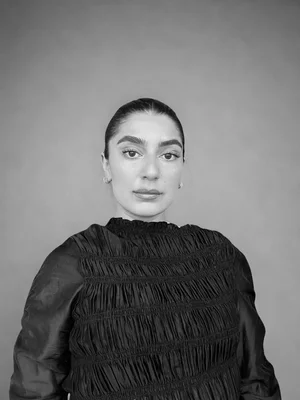
Urja Desai Thakore on Classical Integrity, Considered Risk and Building Resilient Cultural Infrastructure
In conversation with Artistic Director of Pagrav Dance Company, choreographer and Kathak practitioner, Urja Desai Thakore, this feature explores what it means to take creative risk while upholding Kathak’s classical integrity, and the necessity of building resilient cultural infrastructure.
Written by Simi Kaur
All images courtesy of Urja Desai Thakore
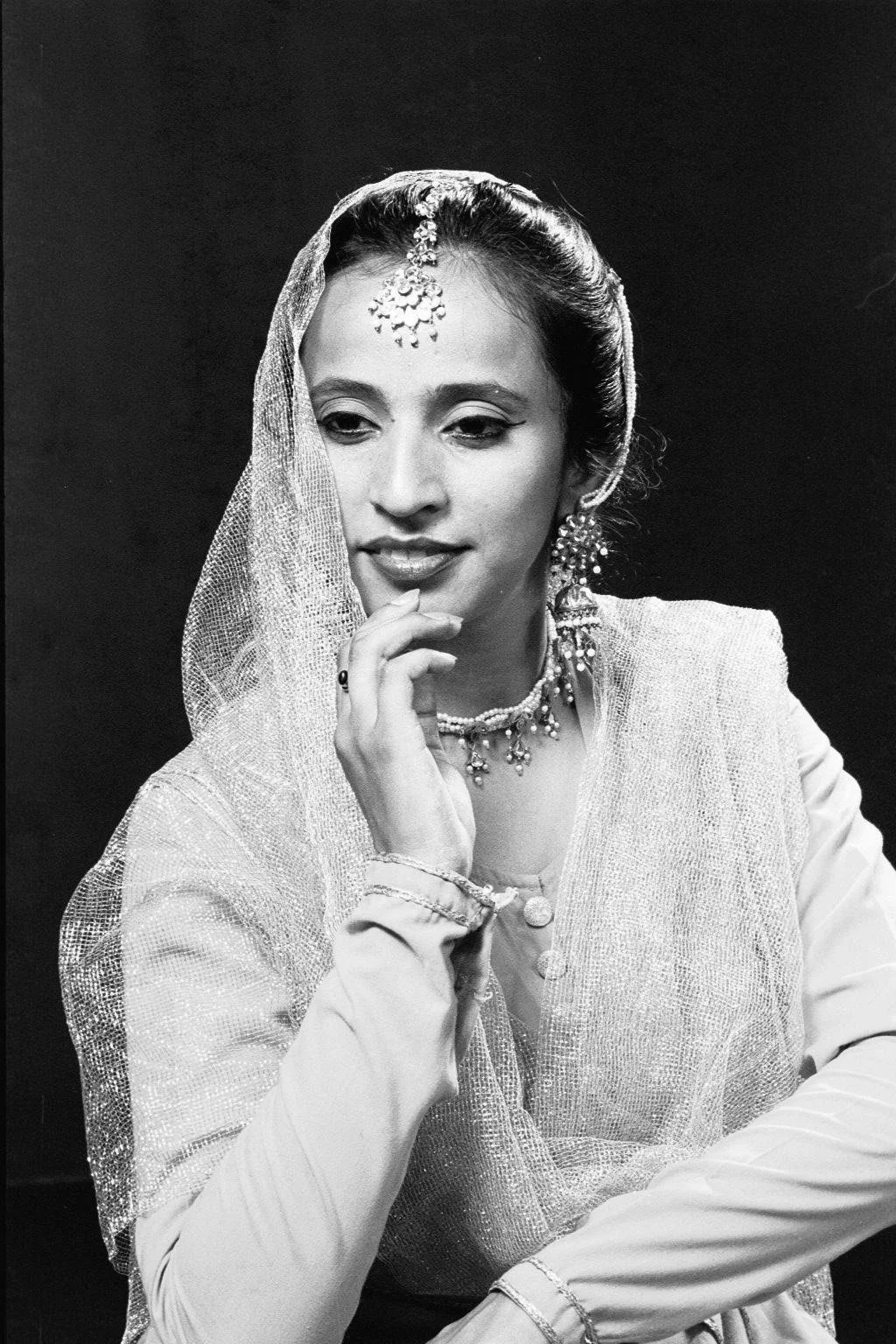
Photography by Unknown, Ahmedabad, 1999.
Kathak as Home and Horizon
“Over the years, Kathak evolved from being something I did to something I live.”
For Urja Desai Thakore, Kathak is both home and horizon. “It has shaped my body, my thinking, and my values, and it continues to ground me while allowing me to grow,” she reflects. From instinctive beginnings to a disciplined and deeply considered practice, Kathak has evolved from something she loved into a defining artistic identity.
In her early years, Urja danced simply for the joy of it — learning, practising, and performing. “In the early years, my relationship with Kathak was very instinctive. I learned Kathak simply because I loved dancing — it brought me joy.” She trained at the Kadamb School of Dance in Ahmedabad, the institute led by Padma Vibhushan awardee, Kumudini Lakhia, where the focus was on absorbing and embodying the material. “At that time, it was largely about learning the material, practising it, and performing what I had been taught,” she explains. Urja later went on to complete a Master of Arts in South Asian Dance (with Choreography) at Roehampton University.
As her practice matured, so too did her relationship with the form. She began to seek a deeper understanding of Kathak’s rhythm, philosophy, and discipline — moving beyond performance towards process. With time came surrender, repetition, and a growing respect for the rigour of practice itself.
“Over the years, Kathak evolved from being something I did to something I live,” she reflects. “It became a language through which I could express my observations of society and the human condition. While all my movement vocabulary stems from Kathak, my inspiration extends beyond the studio — from human behaviour to the rhythm of everyday life and the movement of nature.” Choosing to pursue dance as her primary path marked a significant turning point, deepening both her commitment to the form and her sense of responsibility towards it.
Today, Kathak grounds her while allowing her practice to remain responsive and alive — honouring tradition while engaging rigorously with the present. “What grounds me in Kathak is its depth and adaptability… It is a classical form, yet endlessly alive. Kathak continues to give me purpose, responsibility, and a sense of belonging.”
Creative Exploration Within Classical Integrity
“[Kathak’s] strength lies in its depth — rhythm, storytelling, and its relationship to music and time — and that depth allows it to travel across cultures without losing its core.”
Urja views Kathak as quietly yet confidently asserting itself on the global stage. “Its strength lies in its depth — rhythm, storytelling, and its relationship to music and time — and that depth allows it to travel across cultures without losing its core,” she notes.
For Urja, stepping beyond her comfort zone has not meant moving away from Kathak, but rather asking more rigorous questions within it. Conceptually, she extends the form beyond traditional narratives, engaging with contemporary stories, social observation, and human emotion through a distinctly Kathak vocabulary. “This shift opened up new ways of communicating with audiences who may not be familiar with the form but can connect to its emotional truth.”
Her work across disciplines and cross-cultural contexts — from choreographing for opera to collaborating with Western classical musicians — has further expanded this inquiry. These encounters demand precision, adaptability, and a sensitivity to dialogue between traditions, deepening her understanding of Kathak’s musicality and expressive potential. “These experiences expanded my understanding of Kathak’s musicality and narrative potential, and reinforced my belief that the form is capable of meaningful integration without dilution,” she reflects.
Crucially, such explorations require discernment. “These moments required me to be more precise, more aware, and more honest about what belongs to Kathak and what does not,” she explains. “That clarity has been essential — it has strengthened my relationship with the form rather than diluting it.”
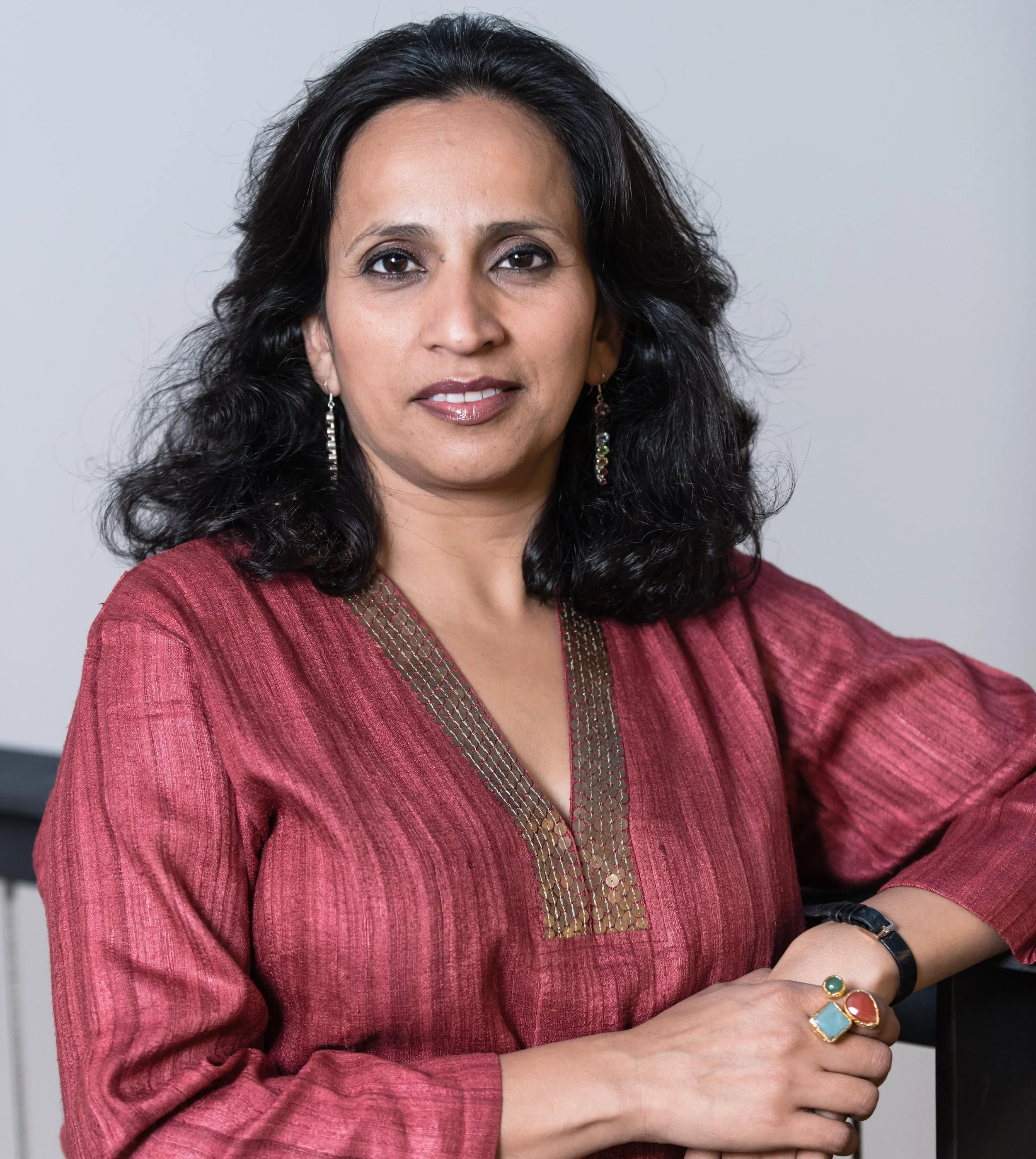
Photography by DanceWest.
“Taking risk does not mean stepping away from the form — it means engaging with it more deeply and more responsibly. ”
For Urja, artistic risk is anchored in a deep respect for, and integrity of, the form. “Taking risk does not mean stepping away from the form — it means engaging with it more deeply and more responsibly,” she explains. Kathak’s classical structure — its rhythm, grammar, and lineage — serves as her foundation. “Any risk I take begins from a place of respect and clarity about that foundation.” Her practice is guided by a commitment to honour Kathak as a classical form while allowing it to speak meaningfully to the present.
She believes Kathak will continue to evolve through artists who are deeply rooted in its tradition yet open in their outlook. “Kathak does not need to change who it is — it needs space, respect, and infrastructure to be seen, understood, and allowed to grow on its own terms.”
Urja’s choreographic works embody this philosophy in practice, each exploring distinct thematic and structural territories while remaining firmly grounded in Kathak. In Sāvitri (Gustav Holst’s opera), she navigates the complexities of a Western operatic framework, adapting Kathak’s sense of rhythm, narrative, and musicality to an entirely different compositional structure. The challenge, she notes, was to integrate the form without dilution — a process that demanded deep listening, precision, and a strong sense of responsibility to Kathak’s core.
In I, Within, Urja turns inward, examining the tension between mind and heart. Here, the choreographic risk lies in abstraction — working with non-narrative music, duets, and group formations to express psychological and emotional states rather than external storytelling.
Kattam Katti, inspired by the imagery of the kite-flying festival, extends this exploration into the social realm, engaging with themes of hierarchy and division. Through the use of space as a metaphor — divided, reshaped, and activated through an interactive set — the work reconfigures traditional performance dynamics, even bringing musicians into the physical and spatial language of the piece.
Her most recent work, Rooh: Within Her, brings these explorations into a more expansive theatrical frame, combining spoken word, singing, and dance within an immersive environment. While deeply anchored in Kathak’s traditional systems, the work extends its emotional and performative scope through layered interdisciplinary elements.
Leadership Through Artistic Direction
“Learning flows both ways...this supports knowledge transfer, leadership, and the safeguarding of classical practice while allowing new voices to emerge.”
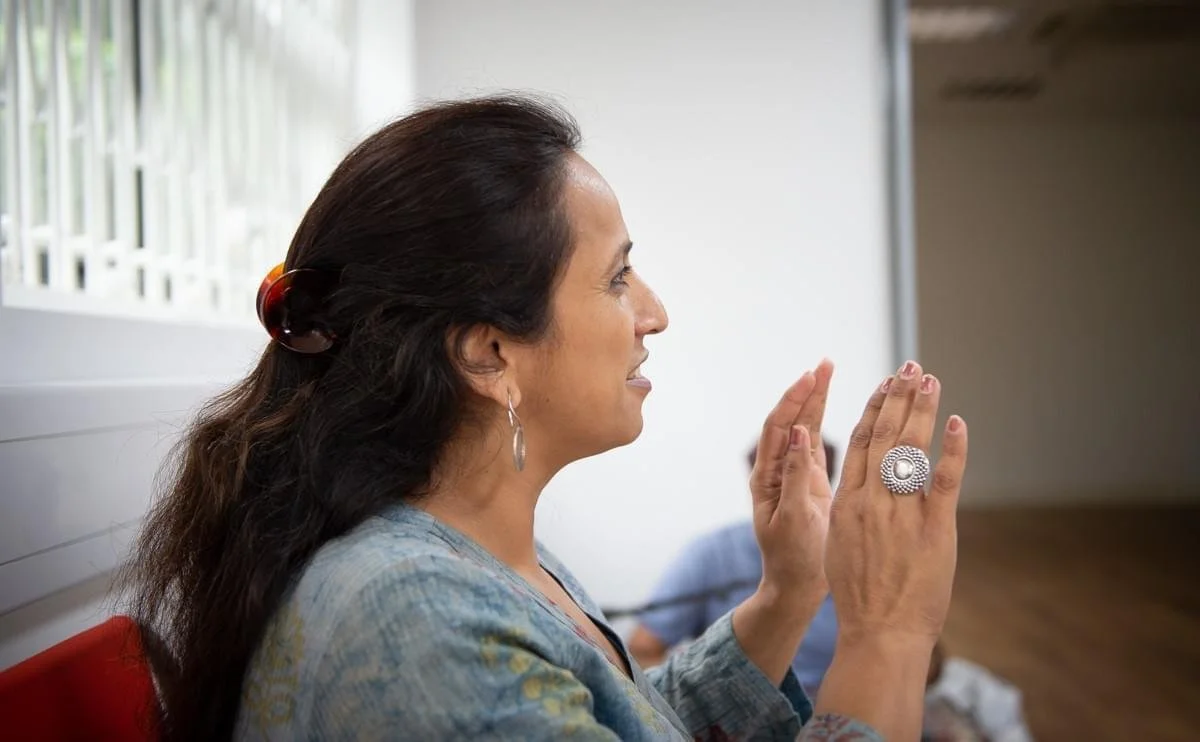
Photography by Simon Richardson.
As Artistic Director of Pagrav Dance Company, Urja’s vision extends beyond performance to encompass mentorship, pedagogy, and broader sector development. Her approach is rooted in strong classical training while engaging contemporary modes of thinking, preparing emerging dancers not only as performers, but as artists capable of sustaining long-term careers within the form.
Central to her pedagogy is the emphasis on intentionality. For Urja, understanding why one moves is as important as how one moves — a perspective that fosters artistic agency, critical thinking, and a deeper connection to practice. Through classes, workshops, residencies, and company-led projects, she cultivates discipline, creativity, and resilience, contributing to a model for a more sustainable Kathak ecosystem within the UK context.
“Creating an intergenerational environment is central,” Urja explains. “Learning flows both ways — from guru to student and back again. This supports knowledge transfer, leadership, and the safeguarding of classical practice while allowing new voices to emerge.”
Building Resilient Cultural Infrastructure
“By holding space for tradition and innovation, investing in people, process, and patience, we can ensure Kathak thrives across generations.”
Urja’s work extends beyond artistic practice into the question of how Kathak is sustained, supported, and positioned within contemporary cultural frameworks. Central to her vision is the development of long-term infrastructure — from training pathways and access to diversity and intergenerational mentorship — all of which she sees as essential to the form’s future.
Rather than relying on short-term projects, she advocates for sustained investment in artists and ecosystems, with a focus on retention, wellbeing, and professional viability. This approach reflects a broader understanding of what it takes for a classical form to thrive: not only artistic excellence, but the conditions that allow that excellence to be developed and maintained over time.
“By holding space for tradition and innovation, investing in people, process, and patience, we can ensure Kathak thrives across generations,” she says. Her work demonstrates how a classical art form can remain rigorously anchored in tradition while evolving with clarity and intention in contemporary contexts.
Urja Desai Thakore’s practice embodies the intersection of discipline and expansion, tradition and inquiry, teaching and performance. Through her leadership, Kathak is not only preserved, but actively re-situated — reaching new audiences, supporting emerging artists, and asserting its place within contemporary cultural landscapes.