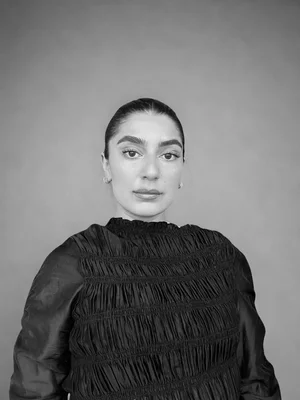
Shereen Ladha on What it Takes to Build a Recognisable Dance Brand and Move Between Classical and Commercial Worlds
In conversation with Toronto-based multidisciplinary artist and digital creator Shereen Ladha, on navigating the relationship between classical training and commercial work, the strategic thinking behind building DancewithSL, and what she sees for the future of Kathak in Canada.
Written by Simi Kaur
All images courtesy of Shereen Ladha
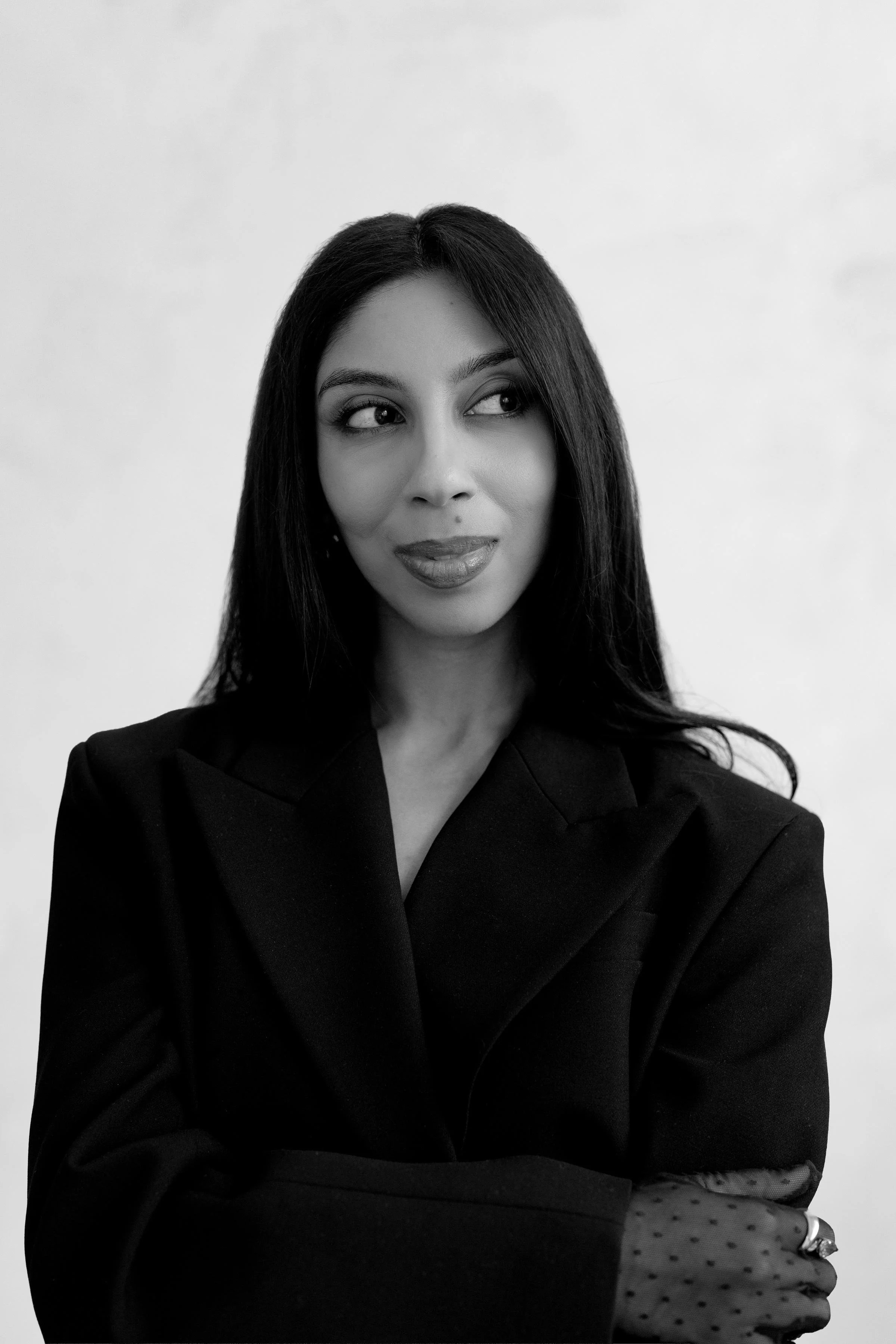
Photography by Aidan Tooth
There are artists who move between worlds, and there are artists who build bridges between them. Shereen Ladha is the latter. Across a career spanning classical dance, Hollywood film, digital content, and large-scale commercial performance, the Toronto-based artist has developed a practice in which multiple creative identities sit in conversation with one another. The thread running through all of it, she will tell you, is a commitment to movement as something more than technique: a way of thinking, feeling, and being in the world.
Dance as a Way of Being
“Dance to me is less about style, and more about a way of being: thinking and feeling as an artist.”
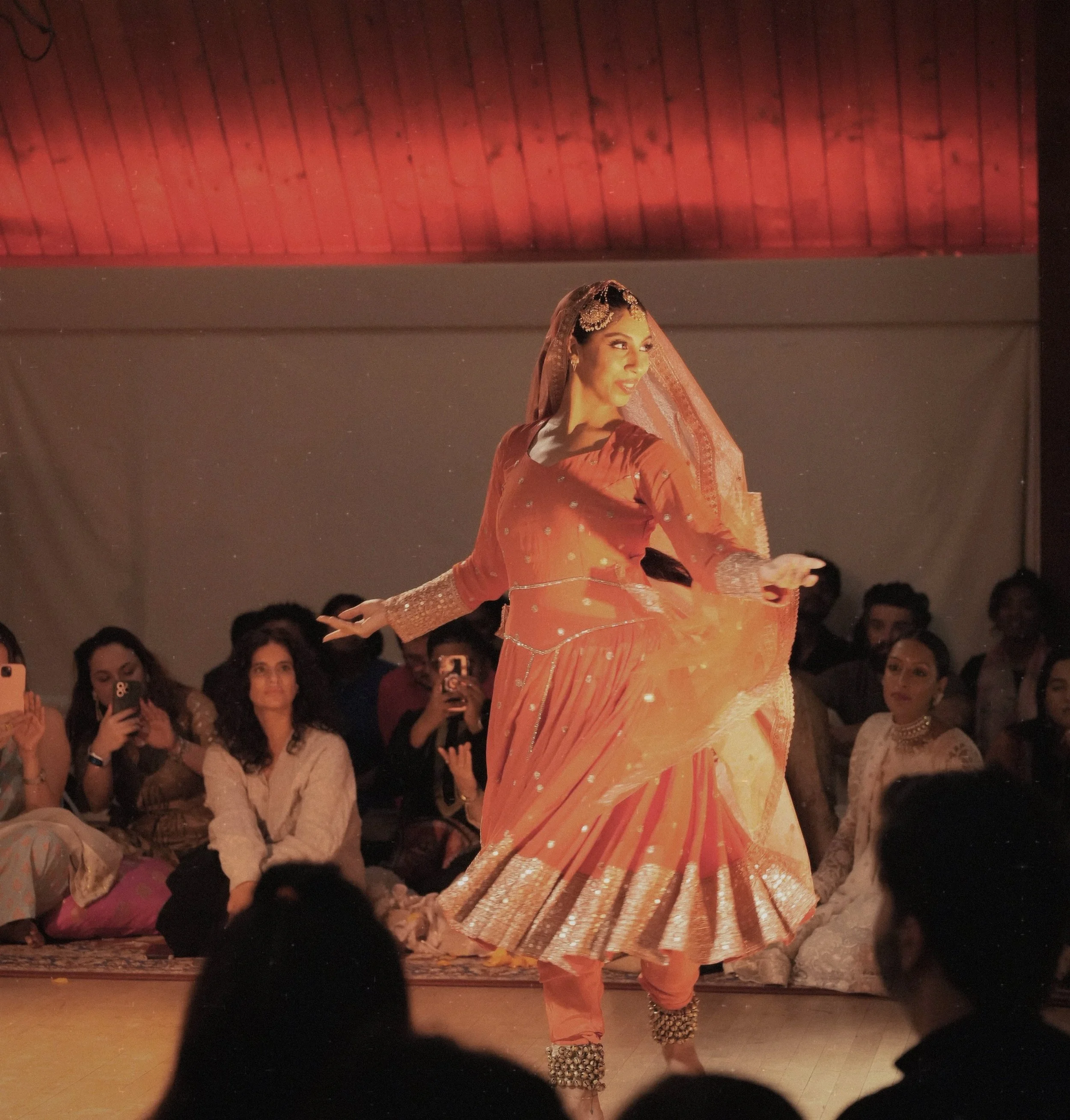
Photography by Anandu Radhakrishnan
Shereen's relationship with dance began early and expansively. Alongside her early Kathak training, she was simultaneously immersed in ballet, jazz, and contemporary. Each form contributed a distinct quality to the artist she was becoming: her training in contemporary, jazz, and ballet gave her extension and physical range, while Kathak deepened her understanding of storytelling, musicality, and presence. "It's an art form rooted in emotional meaning and nuance," she says, "and that foundation has stayed with me no matter what medium I'm working in."
What all of her training gave her, cumulatively, was a particular way of inhabiting movement, one that goes beyond the execution of steps. Kathak, specifically, taught her how to listen deeply to music, how to hold stillness with as much intention as movement, and how to embody a narrative rather than simply perform choreography. "Dance to me is less about style, and more about a way of being: thinking and feeling as an artist." It is a perspective that has informed every space she has since entered.
Navigating Classical and Commercial Worlds
“The classical foundation actually elevates the commercial work.”
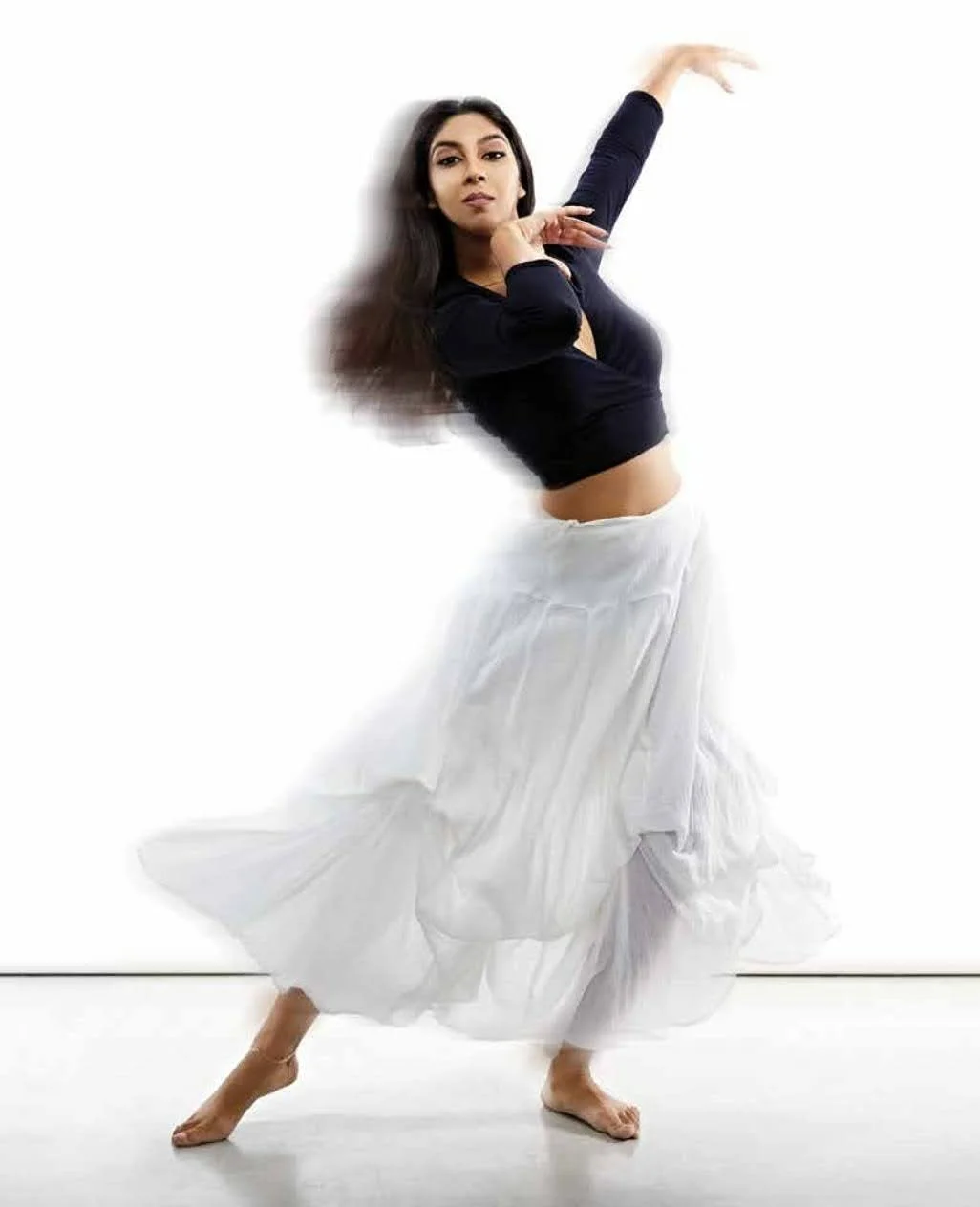
Photography by Mike Ford
Shereen’s career has taken her from digital platforms to Bollywood and Hollywood film sets, to large-scale commercial productions; a breadth that she sees not as a tension to be managed, but as different expressions of the same core identity. “I don’t see them as being in conflict,” she says. “I have to believe they can exist in harmony.”
What makes that harmony possible, in her view, is intention. In commercial settings, whether Hollywood, Bollywood, music videos, or brand work, the demand is for high impact and immediate connection. Her classical training, she finds, is an asset in precisely these contexts. "My Kathak training allows me to bring a level of technicality and storytelling that is unique in those spaces." The depth of that training doesn't disappear in commercial contexts; it surfaces in ways that audiences may not consciously identify, but nonetheless feel.
She is equally clear about the boundaries she holds. “I’m very conscious of not diluting the essence of Kathak,” she says, “but I’m equally interested in expanding where and how it can exist.” The commercial space has, in her experience, allowed her to carry elements of classical dance to audiences who might never have encountered it otherwise.
Building DancewithSL
“The goal has never been virality for its own sake, but resonance.”
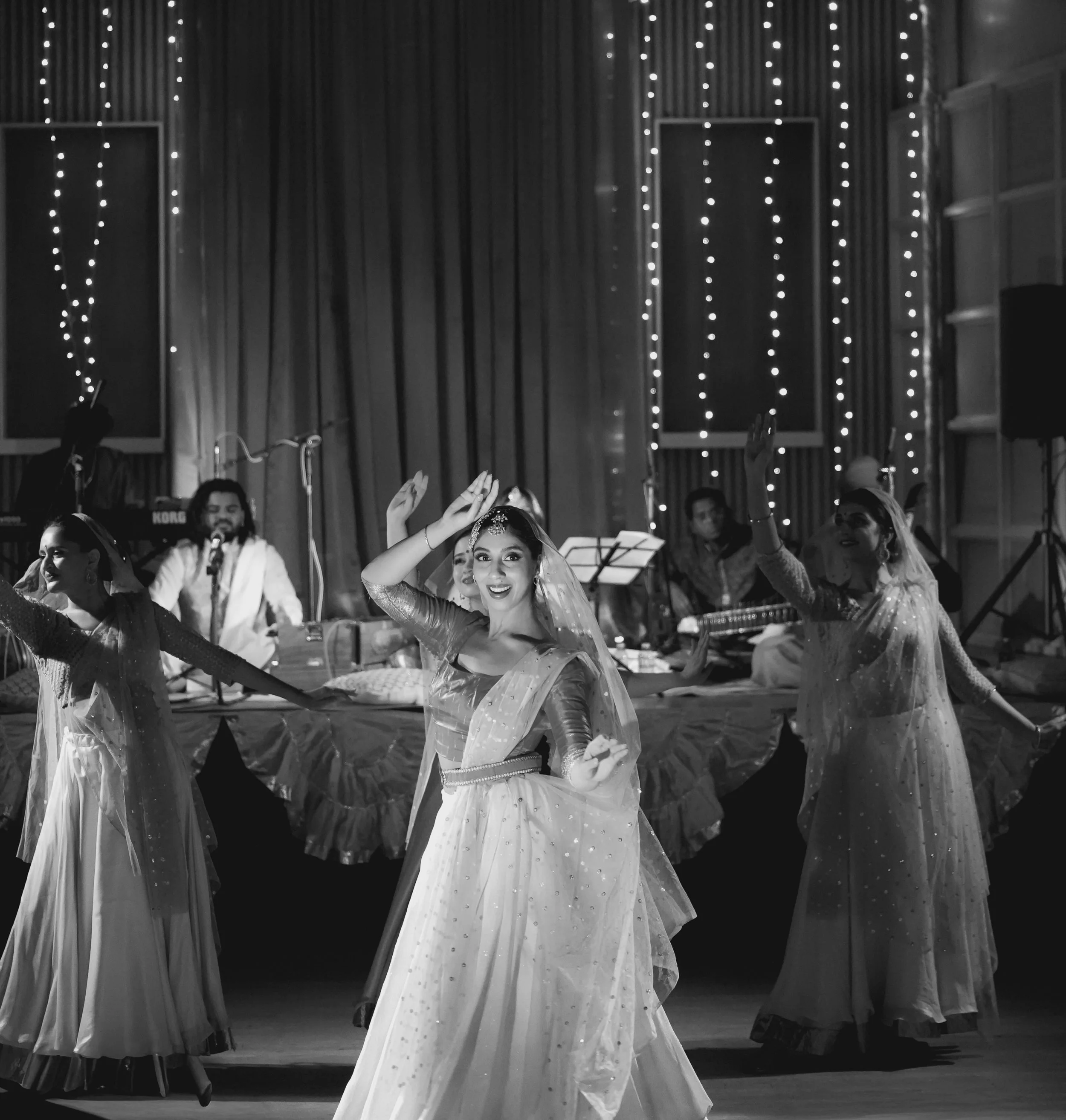
Photography by Anandu Radhakrishnan.
Shereen approaches her artistic practice with the rigour of someone who thinks in ecosystems: audience, positioning, consistency, and long-term growth. "Dance and creative strategy fundamentally operate on the premise of storytelling," she says. "At their best, they are both powerful forms of expression, requiring the crafting and communication of stories that resonate with audiences on an emotional level." The parallel runs deep: both disciplines demand coherence, deliberateness, and an understanding of how meaning travels between practitioner and audience.
“Building DancewithSL to the levels of success it achieved wasn’t accidental,” she reflects. “It was about identifying a gap and designing content that could live there authentically.” With a distinct and recognisable artistic identity and a deliberate approach to long-term growth, the platform grew to over 150,000 subscribers and 30 million views, and recognition as one of Youtube’s Next 15 Canadian Stars (Google).
“I treated my artistic practice with the same rigour as a business. That means understanding platforms, building a recognisable brand through my distinct point of view, and being intentional about scale.”
But strategy, she is careful to note, only functions when the core is genuine. “The goal has never been virality for its own sake, but resonance.” In 2021, she stepped back from YouTube production, choosing instead to immerse herself in training and live performance, a deliberate reset before the next chapter. “I feel ready to step back into it now,” she says, “with a completely different point of view.”
What Each World Can Learn From the Other
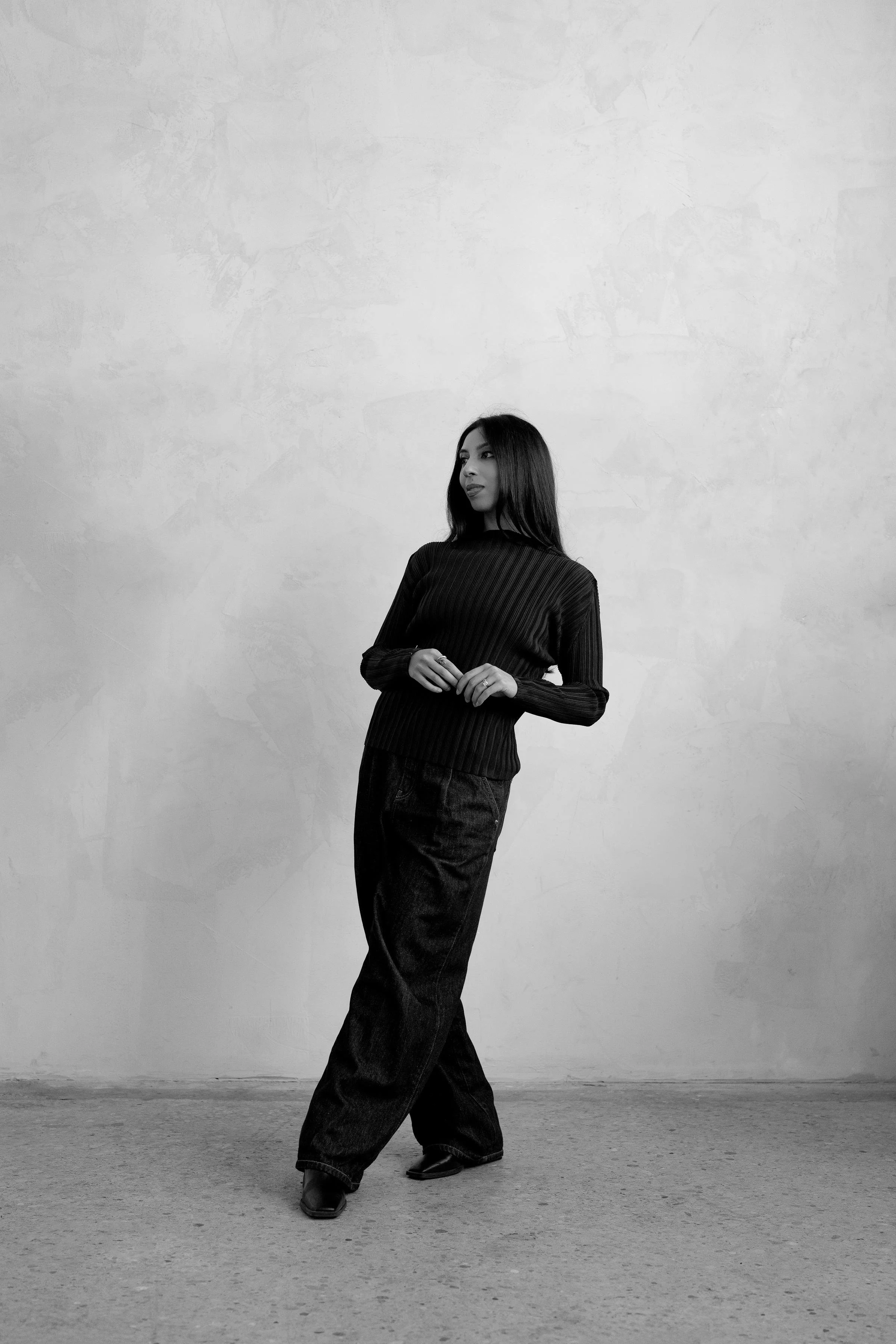
Photography by Aidan Tooth
Shereen's work across classical and commercial worlds has given her a considered perspective on what each has to offer the other.
Her view on what the classical world might learn from commercial practice centres on access. "There is so much richness in these forms, but they're often presented in ways that can feel distant or exclusive," she observes. The commercial world excels at immediacy, meeting audiences where they are, capturing attention, and evolving with cultural shifts. These are capacities, she argues, that classical practitioners would do well to engage with more seriously.
Her stronger conviction, however, runs in the other direction. "The commercial dance world can learn much more from the classical dance world: from the depth, intentionality, and discipline of classical training." The rigour, storytelling sophistication, and musical understanding embedded in classical forms can elevate commercial work far beyond surface aesthetics. "Classical dance brings a spiritual and historical weight, an ancestry of movement, that can give commercial projects a much deeper resonance."
At their best, she believes, both worlds are animated by the same impulse: connection. "I'm interested in the space where they inform each other, where tradition isn't lost, but also isn't static."
Rang Mahal and the Landscape for Kathak in Canada
“For classical South Asian arts to thrive here, it needs to stop being viewed as ‘community art’ and instead treated as professional excellence that deserves mainstage recognition and funding.”
The questions Shereen has been asking of her own practice, about scale, access, and where Kathak can exist, took on a collective dimension when she co-produced Rang Mahal in Canada alongside Nishat Khair.
The event grew from a desire to create something immersive and celebratory: a space where semi-classical and Kathak could be experienced not merely as performance, but as a living, evolving art form. "There's incredible talent within the Kathak community in Canada," she says, "but not always enough platforms for its artists that feel ambitious in scale or contemporary in presentation."
What Rang Mahal revealed about the Canadian landscape was both encouraging and clarifying. There is, she found, a significant appetite for high-quality South Asian arts productions, and an equally significant gap in the infrastructure and platforms needed to support classical artists at that level. "We have the talent and the audience, but we need more bridge-builders: producers and creative directors who understand how to scale these shows for Canadian venues."
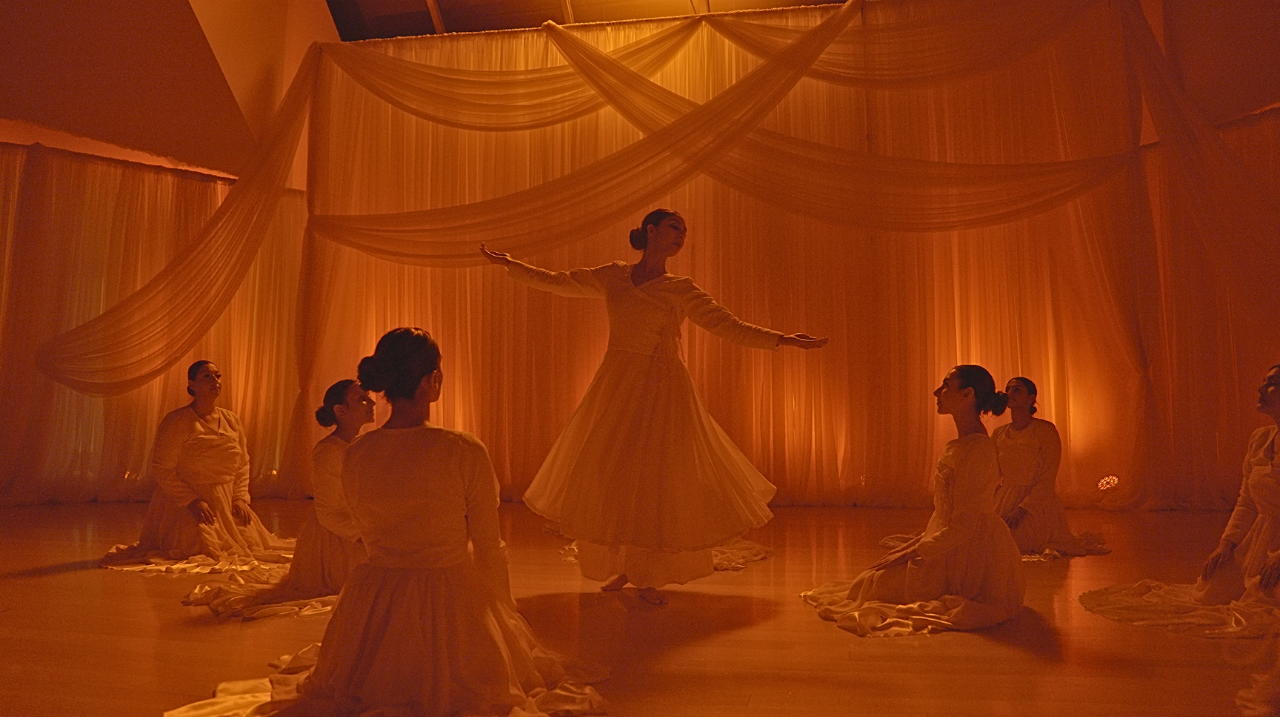
Photography by Islam Uddin
The deeper shift she is calling for is one of perception. South Asian classical arts in Canada have too long been framed as community offerings rather than as professional excellence deserving of mainstage recognition and serious institutional funding.
“For both me and my co-producer, Rang Mahal reinforced that there’s an opportunity and a responsibility — to shape how these art forms continue to grow outside of South Asia, in a way that honours their roots while allowing them to evolve.”